
Why I Care About Which Menswear Brands I Buy and Where They’re Made

My focus is on classic, timeless style and quality products that will withstand regular wear, last a long time, and only get better with wear. That’s why I only wear and talk about brands that I believe make quality products that are worth buying. Many of them have local production and care about their workers, providing them with a good, healthy working environment.
I don’t like generalising, but these brands are mostly in the EU, Japan, Korea, and the USA. Some might say that this is ignorant, and I can partially agree with that, but if we want to start a change in the average consumer, we have to start somewhere, and I believe focusing mostly on products from these specific countries is a good starting point.
When you genuinely care about the products and brands you buy, you realize that this topic is far more complex, and that you can find amazing products and craftsmanship in many other countries, as well as a lot of bad products and brands in countries that we generally consider the best ones. There are always exceptions, that’s why we should always care about the quality of the product and who makes it first, instead of the country of origin.

One of the best examples of these exceptions is 100 Hands - some of the finest crafted shirts in the world are made in India. They built their own factory there to provide the standards and conditions they wanted, and spent months training the workers to be able to achieve the level of craftsmanship they aim for. They also provide workers with benefits that are almost unheard of in this part of the world - great working conditions, good salaries, and they even take care of health insurance for their families and the education of their children.
This sounds great, right? And I wish they did that in the Netherlands instead, but there are two reasons why this wasn’t possible to do locally - the first is that for a shirt with the same quality and attention to detail, the price would be at least three to four times higher in the Netherlands, which would push it into a price range where it would be basically impossible to sell. The second reason perfectly illustrates a sad reality of the current situation in the EU - in most EU countries, it’s impossible to find enough skilled workers anymore, and younger generations are not willing to learn these skills or do manual labour. That’s why some products with very fine details can’t be made in many countries anymore.
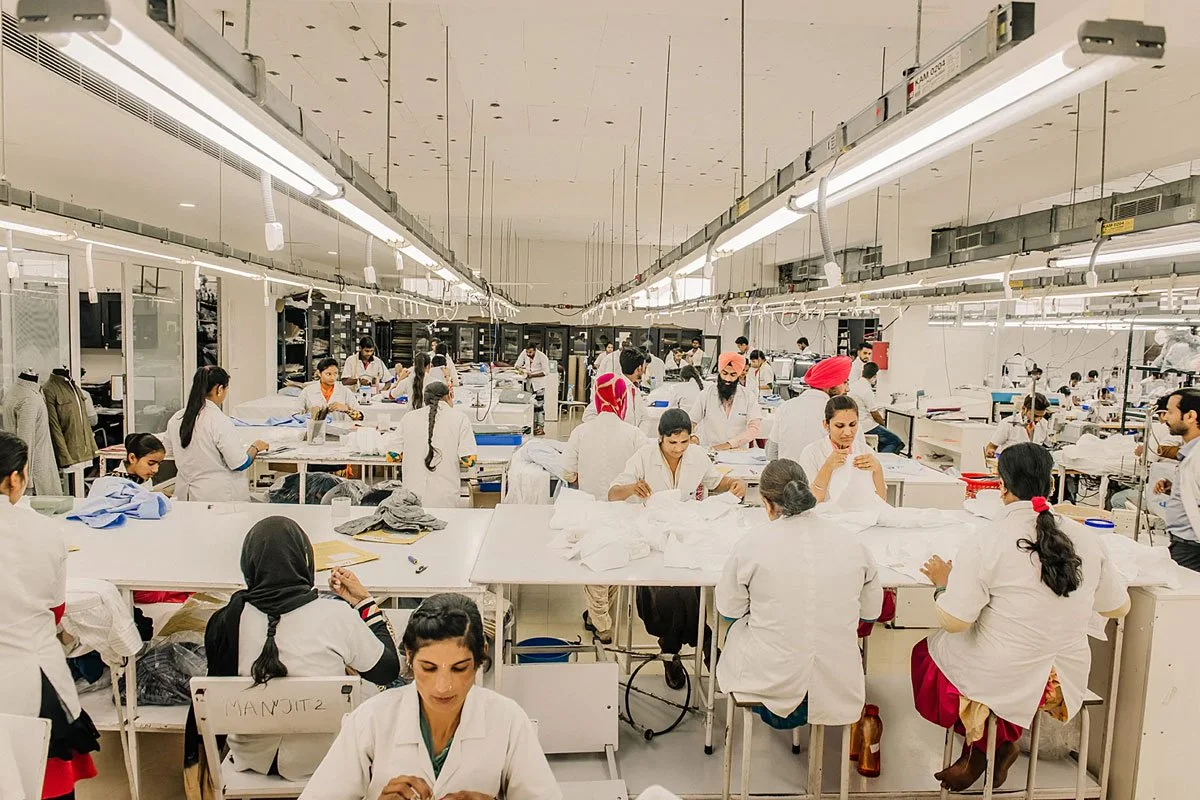
I have a problem with most of the big brands that moved all of their production to another part of the world, to countries where they exploit workers so production is much cheaper, and that’s why some countries have a very bad reputation. Many of these brands could keep their production in their local environment at the cost of smaller profits - in most cases we are still talking about millions in profits, which for some brands is clearly not enough. So they spend a lot of money on business trips to factories and on shipping all that product from the other side of the world, just to make more money. Considering that more than half of all environmental pollution comes from industrial activities and that they exploit workers, it makes me sick to think about what most of them are doing just to make more profit.
Our life on this planet is limited, so I don’t understand people who have everything but still want more at the cost of other people’s well-being. That is why I will always support smaller brands that prioritize the quality of their products, take pride in their history and craft, and care about their workers and local community. I am probably a bit naive because I romanticize the idea that the way to happiness is to give when you can.

And I know most people are not willing to spend the time, do the research, and “background check” a brand they might be interested in. That’s why I do my best to keep spreading the word about “the good” brands - those who I believe are worth giving our money to. I’m always open to new suggestions as well, because there are great people all over the world, and as long as they genuinely care about their product, craft, and local community, I will be happy to support and recommend them.
Alexander Hamilton said, “Those who stand for nothing fall for anything.” I hope you can now understand why I prioritize some brands and will continue to do so, as I firmly believe in these values.
related articles

Many people see tailored clothing as restrictive and believe that rejecting dress codes is a form of freedom. But is that really true? In this article, I explain why I believe dressing well doesn't limit your options, but actually expands them.